About Us
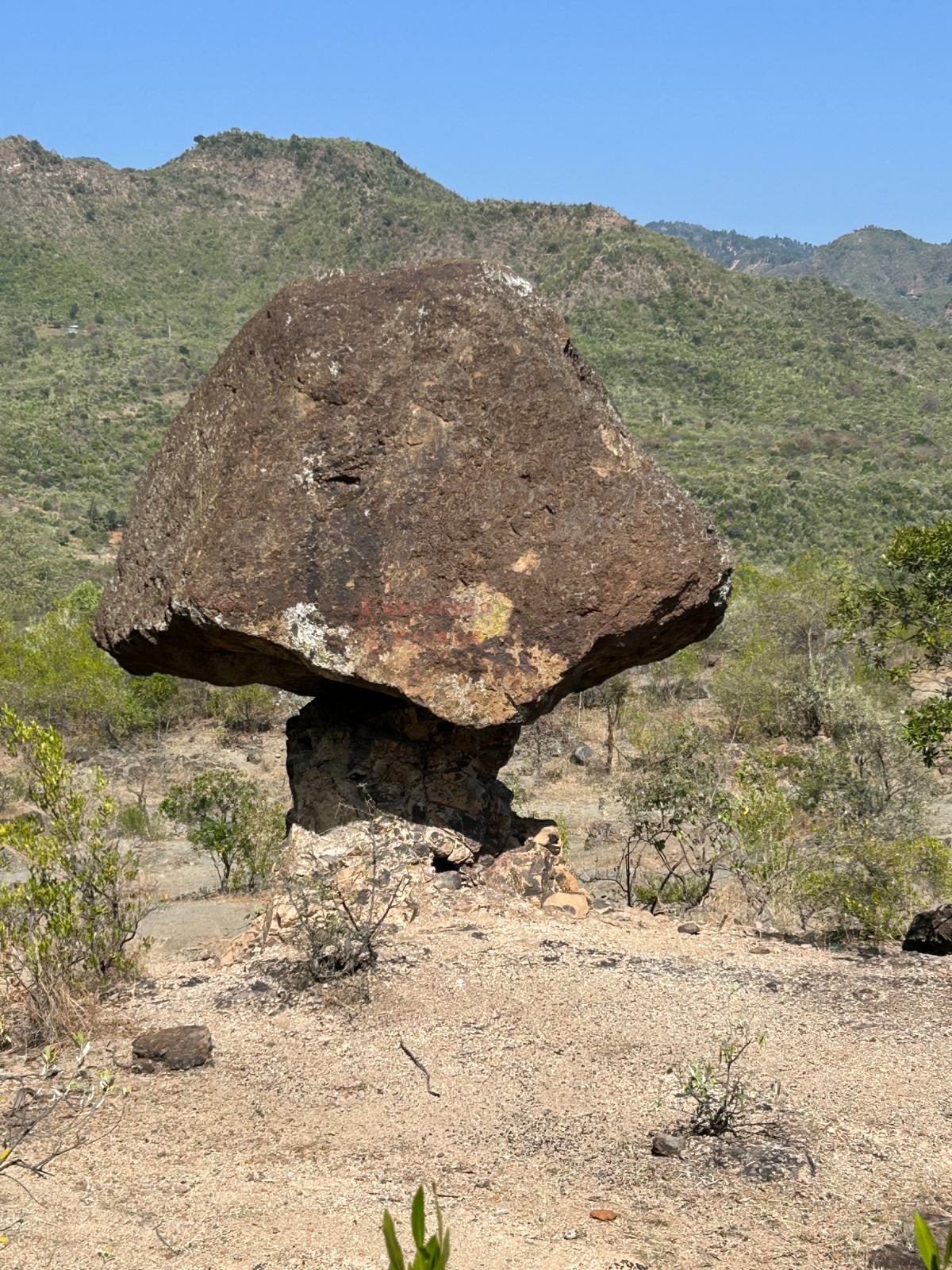
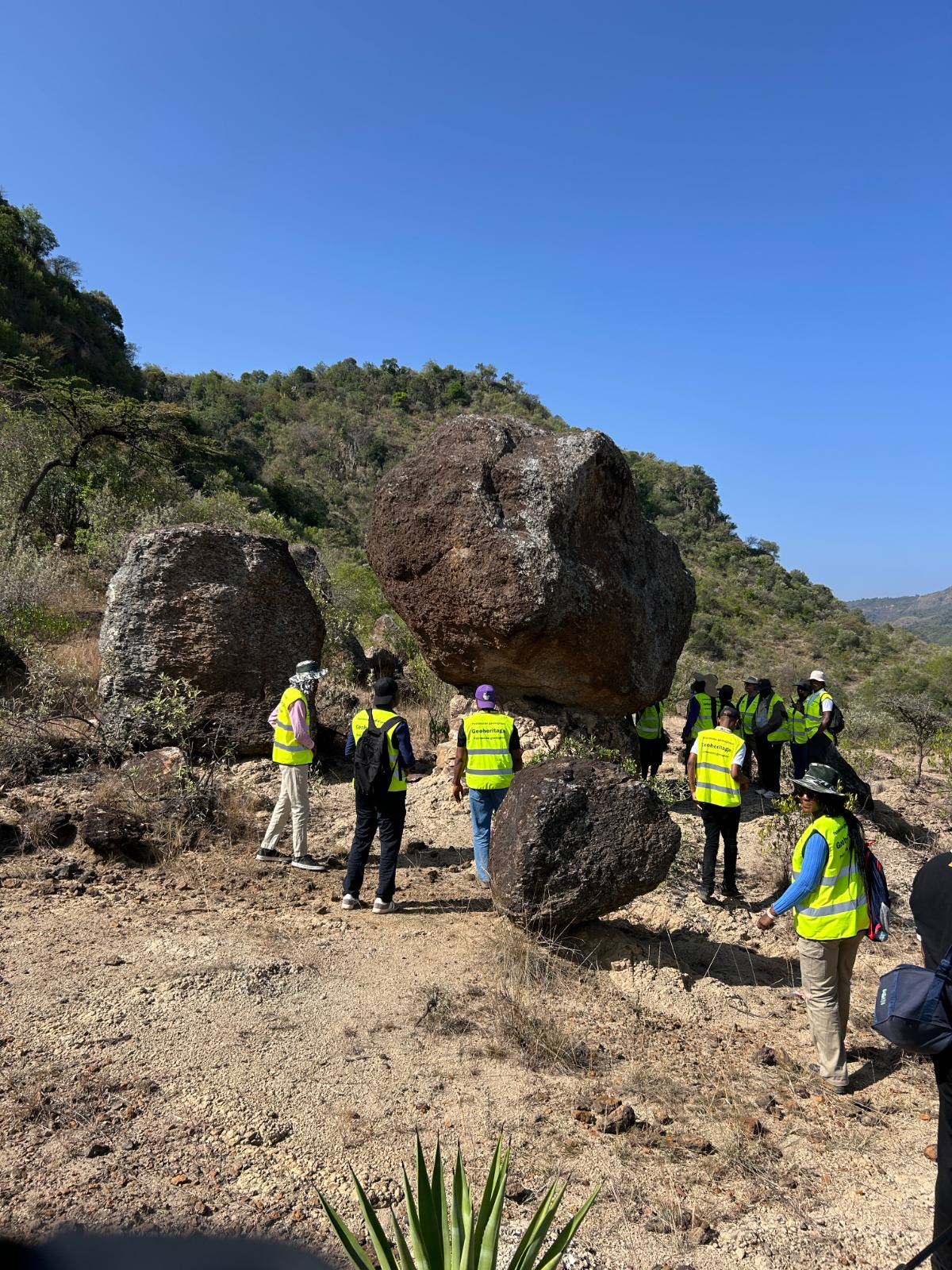
The Baringo Great Rift Valley covers 11,075 km2, an area that matches the administrative boundary of Baringo County. The majority, 10,758 km2, of the territory is terrestrial land area, with the remaining portion comprising four inland water bodies (notably Lakes Baringo, Bogoria, 94 (ninety-four) and Kamnarok) that together represent the immersed aquatic component of the Geopark’s territory.
Short Physical and Human Geography Characteristics
The Baringo Great Rift Valley aUGGp is characterized by undulating landscapes with hills, cliffs, escarpments, ravines, gorges, a low-lying Rift Valley floor and several lakes, which together reveal a rich geological history. Its altitude ranges between 750 m and 2800 m above sea level. Key geographic features include closed freshwater lakes (Lake Baringo, Lake 94 and Lake Kamnarok) and a saline alkaline lake (Lake Bogoria). These lakes are fed by several rivers that flow from high escarpments within and outside the territory. About 700,000 people live in the area, sustained by pastoralism, farming, apiculture, tourism and small trade. Governance and Management
The Baringo Great Rift Valley AUGGp is governed by an independent trust, the Baringo County Geoheritage Conservation Trust, established by the County Government of Baringo. As an independent legal entity, the Trust is deliberately designed to safeguard the Geopark from administrative changes to Baringo County’s governance.
The Trust’s strategic mandate is implemented through a Scientific Committee. Operationally, the Geopark is managed by the Geopark Manager, who coordinates a strong cluster of community-based teams to implement the geopark’s core areas of focus: geo-heritage conservation and community engagement; education, research, and information management; partnerships and resourcing; and product development and marketing.